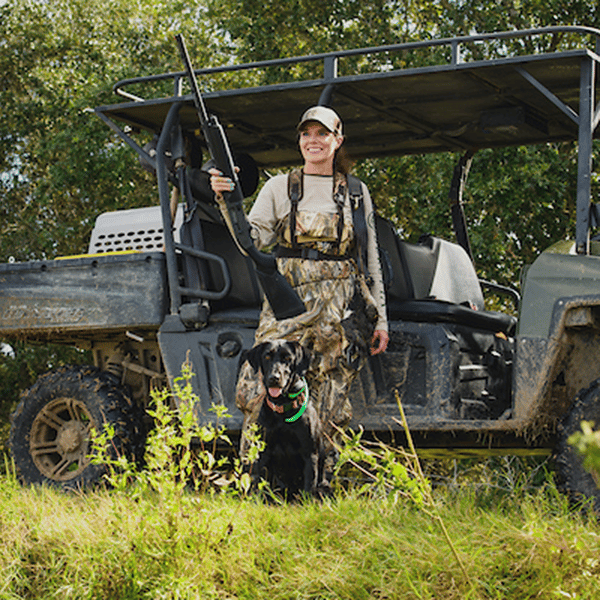
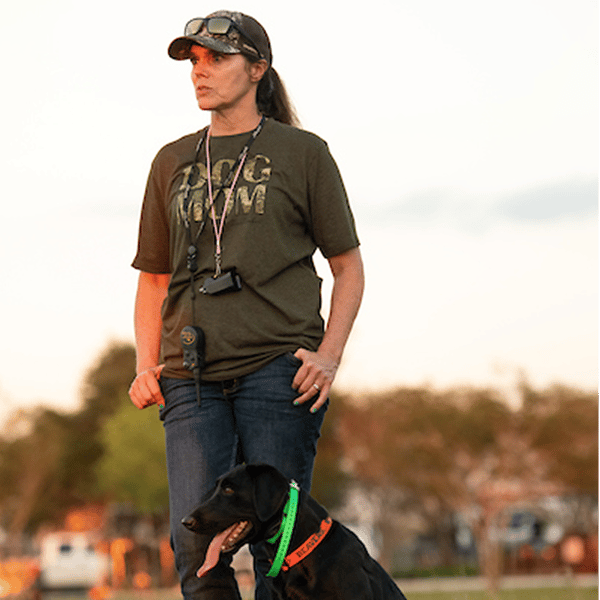
October is here, and opener is either behind you or close enough to taste. If you haven't "officially" scouted yet, you're in good company. This issue is for everyone squeezing the outdoors in between work, family, and everything else, because every little bit you notice out there adds up.
Real life scouting in between the daycare drop-off and the dinner dishes
Written with Samantha Ewald
It's three weeks until Minnesota duck opener and I haven't scouted anything. Well, not officially.
As an Engineer for DU, I spend my working hours looking at maps on my computer or stomping around active restoration sites. I design wetlands that ducks want to be at: water at the right depth, food, and cover. But even those sites change every year. A wetland that was full of teal last October can be a mudflat this October after a dry summer. That's why scouting matters. Resources change and so do the ducks.
Ideally, scouting is real data collection. You'd visit a handful of wetlands two or three weeks out, morning and evening, several times each. You'd log species, rough counts, where the birds sit, where they fly in from, and how many trucks are parked at the access. By opener, you'd have a solid dataset and a ranked list of spots.
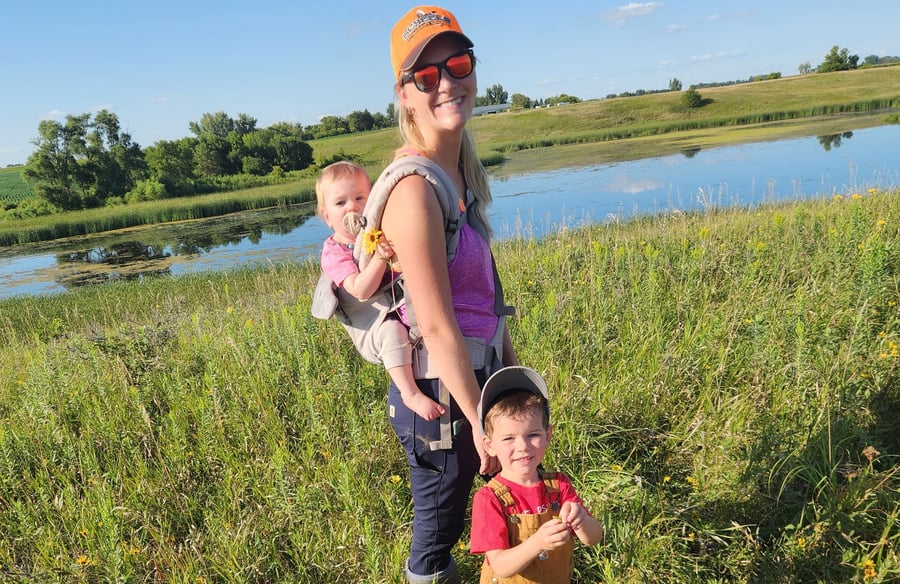
Here's my actual dataset. A few teal on a roadside WPA pond during my one-hour commute. Mallards flying high that the kids pointed out from the back seat. A detour to a public pond with our $40 binoculars, permanently smudged with kid fingerprints. Wood ducks working toward the west end of our lake in threes and fours while we sat out at sundown with a glass of wine. Maybe a prairie hike this weekend, one kid stomping through the grass and the other in a carrier on my back.
Between a 9 to 5, dinner, my kids, and time with my husband, that's the sample size I get. And it has to be good enough.
The good news is that small datasets still beat nothing at all. So if you only get a few moments, use them well. Pick a few areas and learn them instead of trying to learn a whole county. Keep a list or a map, on paper or in an app. Note where you saw birds and what kind. Drop a pin on which side of the pond they were sitting. Note the cover, so you know where your face will be hidden at sunrise and sunset. A few hours a year, compounded over several seasons, turns into a list of places worth hunting.
So here's my success criteria for this season. Try a few old spots and a new one or two (which is technically scouting too). Drink my coffee over a wetland sunrise. Watch my lab make at least one retrieve. And add another pin to the map for next fall.
Sam Ewald is a Ducks Unlimited Regional Engineer. Subscribe to the Ascend YouTube channel to see how Sam's scouting panned out. Stay tuned!
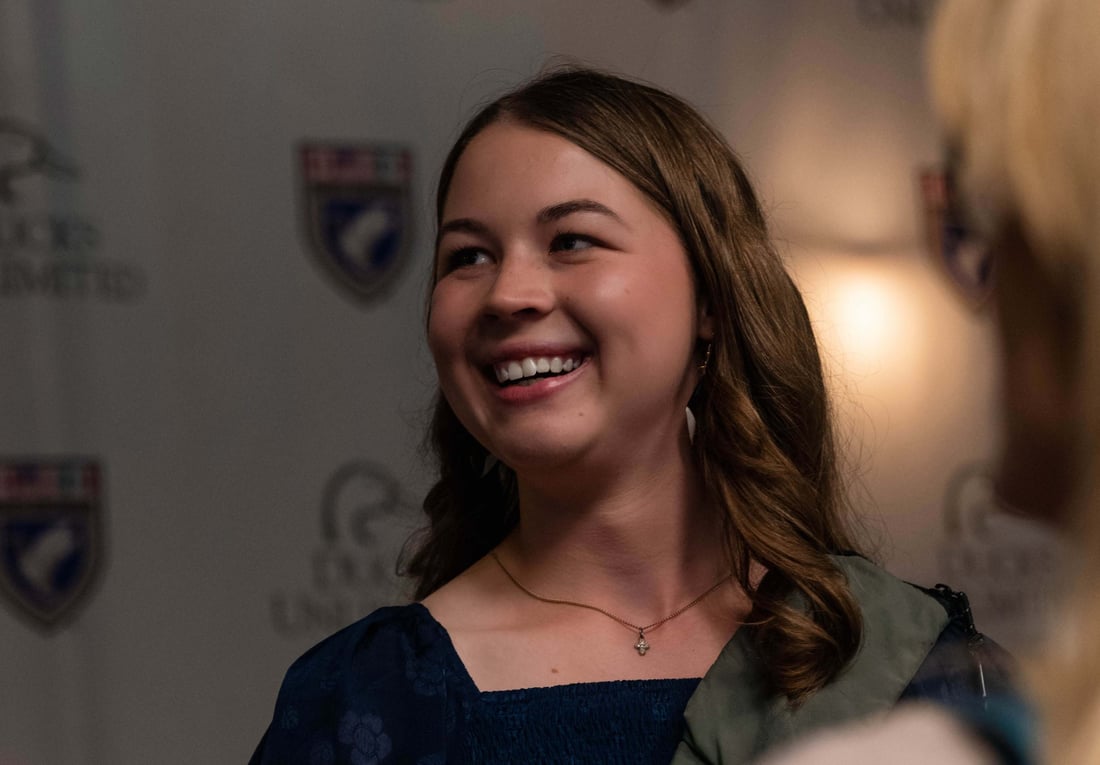
Madison Grimm has been painting ducks for most of her life. At six, she became the youngest artist ever to win the National Junior Duck Stamp Contest. She won it twice more as a teenager. Last week, in her first year of eligibility for the adult contest, she took second place in the Federal Duck Stamp Art Contest with an acrylic king eider, out of 331 entries judged right here at DU headquarters in Memphis.
Here's why this is such a big deal. Madison is only 20 years old and she finished between two Hautman brothers, who have won this contest more than a dozen times between them. Iconic, if you ask us.
Madison has decades of eligibility ahead of her, and she's already finished ahead of artists who have been entering since before she was born. We spent a day with her last year, surrounded by the ducks she raises and the hundreds of eggs and ducklings she rescues every spring from nests that would have been destroyed. She knows these birds because she lives with them. We came away convinced her name is going on a stamp eventually.
This month, we put a question to our social media audience:
Before opener, how much scouting are you doing?
A) Months! I have a spreadsheet
B) A couple trips, nothing crazy
C) One drive by the week before
D) Opening day IS my scouting trip
RESULTS
The scouting styles are all over the map, and we love it. Thirty-three percent of you are basically wildlife detectives with spreadsheets, trail cam data, and enough intel to brief a small army. Another 33% are taking the balanced approach with a few scouting trips and calling it good.
Then there's the 25% who believe opening morning is the best way to find out what's out there. Bold. Respectable. Slightly chaotic. And 8% are trusting the classic drive-by scouting method the week before. Either way, someone's freezer is getting filled.
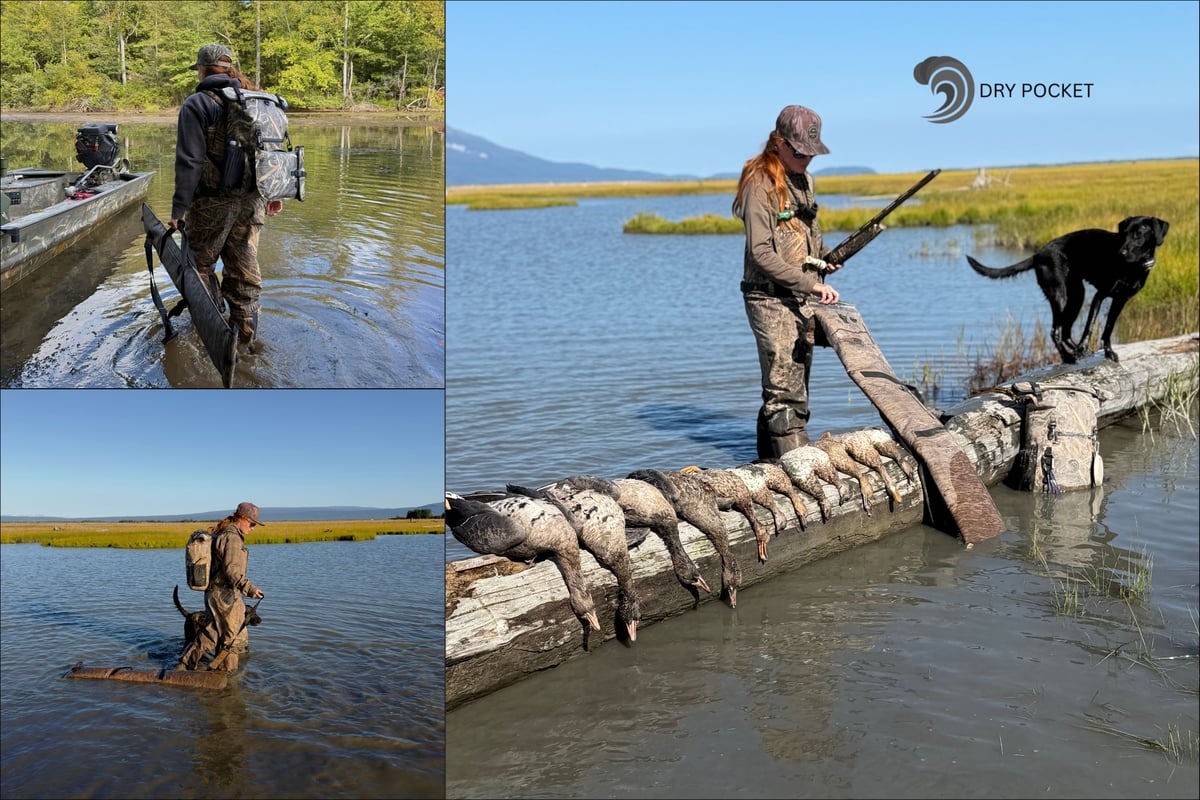
Dry Pocket dry bags, gun bags, and cooler bags are engineered with exceptional buoyancy, keeping your gear afloat while also providing added flotation support when needed. Innovative magnetic closures, buckles, and waterproof pockets keep your essentials protected and easily accessible—making every outdoor adventure safer, simpler, and more convenient. Dry Pocket puts the hunter first.
Discount code: ASCEND25 = 25% off Dry Pocket branded products - Expires 10/30/2026 at midnight.
Q: What’s the most "I can’t believe this is my life" moment you’ve had in the outdoors?
A: "That's hard, because I feel it daily. I'm thankful every single day. Being honored as NRA Woman of the Year ranks high, especially with so many deserving women in our industry."
Q: What’s the tiny outdoor joy you’ll never get tired of noticing?
A: "Being outside when night turns to day. It's such a peaceful moment, filled with anticipation and excitement for what the day or hunt will bring"
Q: What’s your most controversial outdoor opinion?
A: "Ah…I don’t have any controversial opinions, I focus on staying positive and try to build others up - we have a “no drama” policy at SLG2, Inc; and generally that is a good thing no matter what you are doing."
Q: What’s one green flag, and one red flag in a hunting or camping partner?
A: "Well this is the same for both - Safety. Green flag: someone who puts safety first, always, including looking out for working dogs. Red flag: someone who doesn't. I won't hunt with anyone who is unsafe. I'll either ask them to leave, or I do."
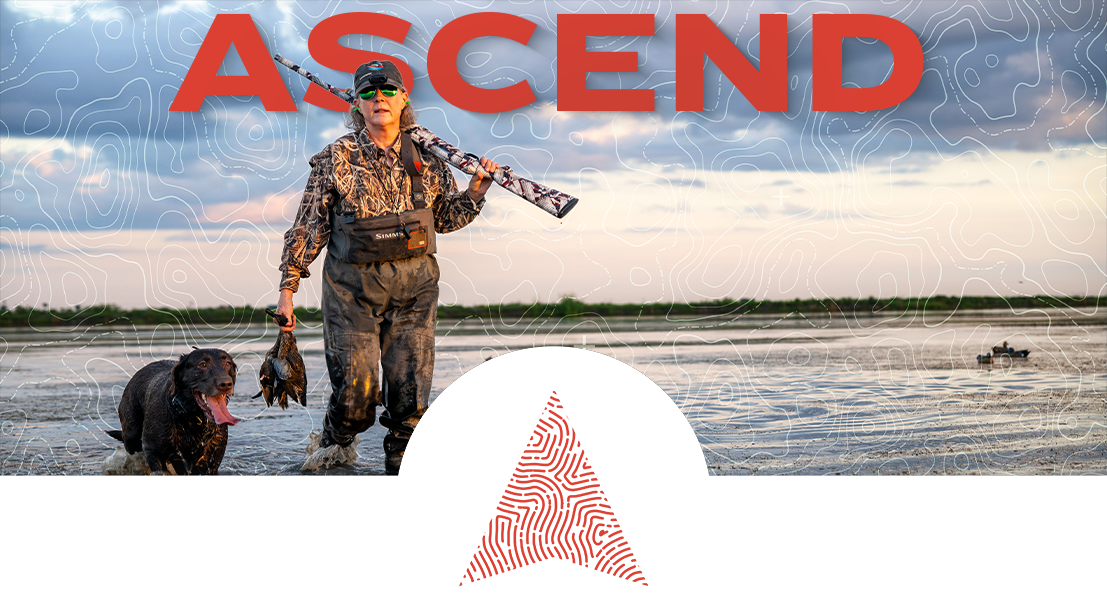
Want to hear more from Karen? She joined us on the Ascend podcast to talk about turning "I can't" into "I can," what makes a great mentor, and how to invite someone new into the outdoors. Listen now.