Seasons are open, birds are moving, and Thanksgiving is right around the corner. This month we’re making sure your harvest gets the care it deserves, starting with tips from Chef Cate Meade, a three-time MasterChef competitor who knows that a great wild game meal starts long before it hits the kitchen.
And in honor of Veterans Day, we sat down with Andi, a Coast Guard veteran who’s using time on the water to give back to women who served.
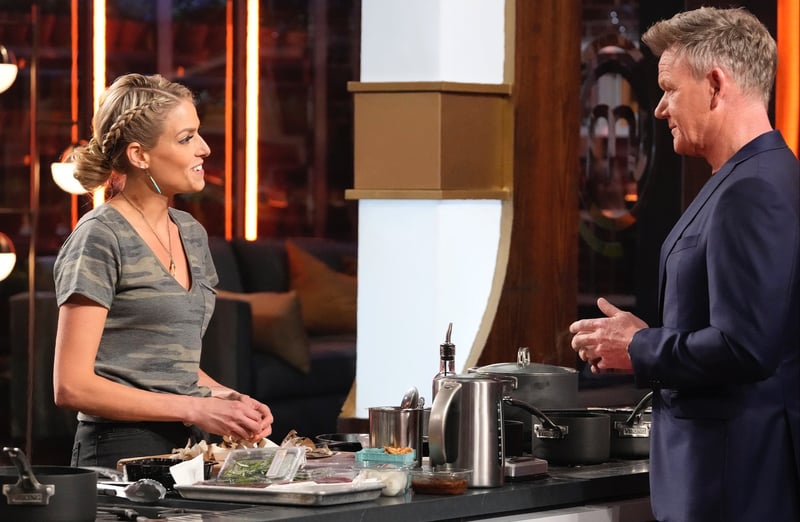
Gordon Ramsay once told me I made some of the best venison he’d ever had in his life. After ten years as a private chef and a run on MasterChef, I can tell you the secret wasn’t the recipe. It started in the field. The best wild game starts with the care given to the meat, long before it ever hits the kitchen. Here are the five things I wish every hunter knew before they handed me their game.
1. Get the heat out and the hide off
Heat is the first thing that ruins good meat, and we've all been guilty. The pile of warm, wet ducks in the bottom of the boat. The turkey riding around in the truck bed. The sooner an animal is gutted, skinned, and cooling, the better it eats. Lay birds out in a single layer in the shade and bring a cooler on warm days. The goal is below 40°F, fast.
2. Treat it like an ingredient
In a kitchen, one bad ingredient never gets stored against the good ones. If you made a gut shot or damaged a leg, deal with that first. Cut away bloodshot meat, anything touched by stomach contents, and feathers pulled into the wound, then clean your knife. Be generous with the trim. Losing a few ounces is how you keep the quality stuff quality.
3. Use the whole bird
So many hunters pull the skinless breasts and leave the rest behind. Plucking takes a few minutes, and skin-on meat sears, renders, and stays juicy in a way skinless meat can't. Legs make great braises and tacos, and the carcass makes great stock. A chef's trick: render a small piece of fat and smell it. Clean? Keep the skin. Fishy? Skin that bird.
4. Let it rest before you cook or freeze
Rest your game in the fridge at 34 to 38°F for five to seven days. It gives the muscles time to relax, lets natural enzymes tenderize the meat, and dries the skin so it crisps instead of steaming. Skip the rest for anything gut-shot or badly damaged.
5. Finish clean and package like a pro
Don't soak meat to "get the blood out." That red liquid is mostly water and protein, and soaking washes out flavor. Pat it dry, brush on a thin coat of neutral oil, and vacuum seal in meal-size portions. Label, date, and freeze flat. Air is the enemy in the freezer the same way heat is in the field.
None of this takes fancy equipment. Just a cooler, a little patience, and treating the game as food from the moment it's in your hand. Do that, and the cooking gets easy.
Chef Cate shared her story and more cooking tips on the Ascend Podcast. Watch the video by clicking the button below.
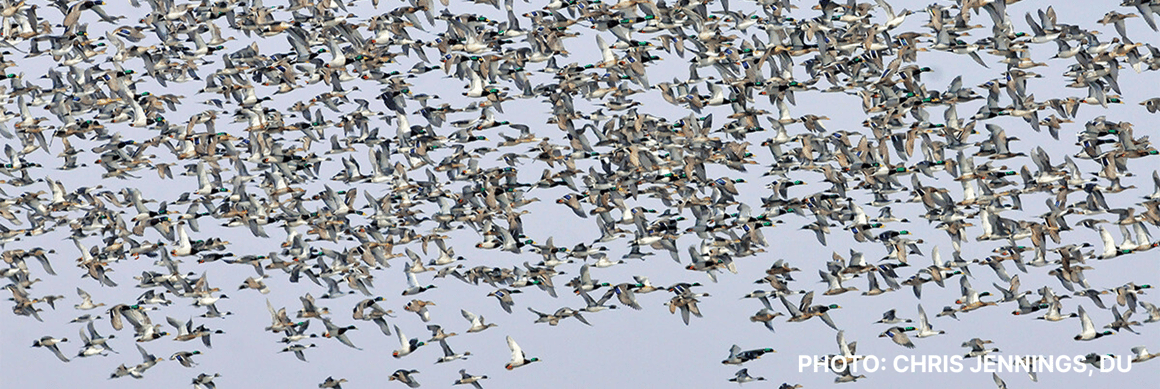
Waterfowl seasons are open and the migration is in full swing. If you’ve been in the blind this month, you know conditions can shift fast. Birds don’t wait for your schedule.
That’s where Migration Alerts come in. DU’s reports draw from waterfowl biologists, refuge managers and seasoned hunters across every flyway, so you get real updates on where birds are moving and what habitat conditions look like near you.
Sign up to get alerts by email and text so you’re ready when the birds move.
This month, we put a question to our social media audience:
This month, we asked our social media audience: Is wild game on your Thanksgiving menu?
A) Heck yes, pass the venison
B) This is the year
C) Only if I can pass it off as chicken
D) Not until Aunt Linda retires
RESULTS
The Thanksgiving opinions are pretty clear, and honestly, we expected nothing less. A whopping 69% of you answered, "Heck yes," which means venison, duck, and other wild game are holding their own next to the turkey this year.
Then there's the remaining 31% who said, "Not until Aunt Linda retires." Fair enough. Family traditions are powerful things, and some dinner tables aren't quite ready for wild game to make the starting lineup.
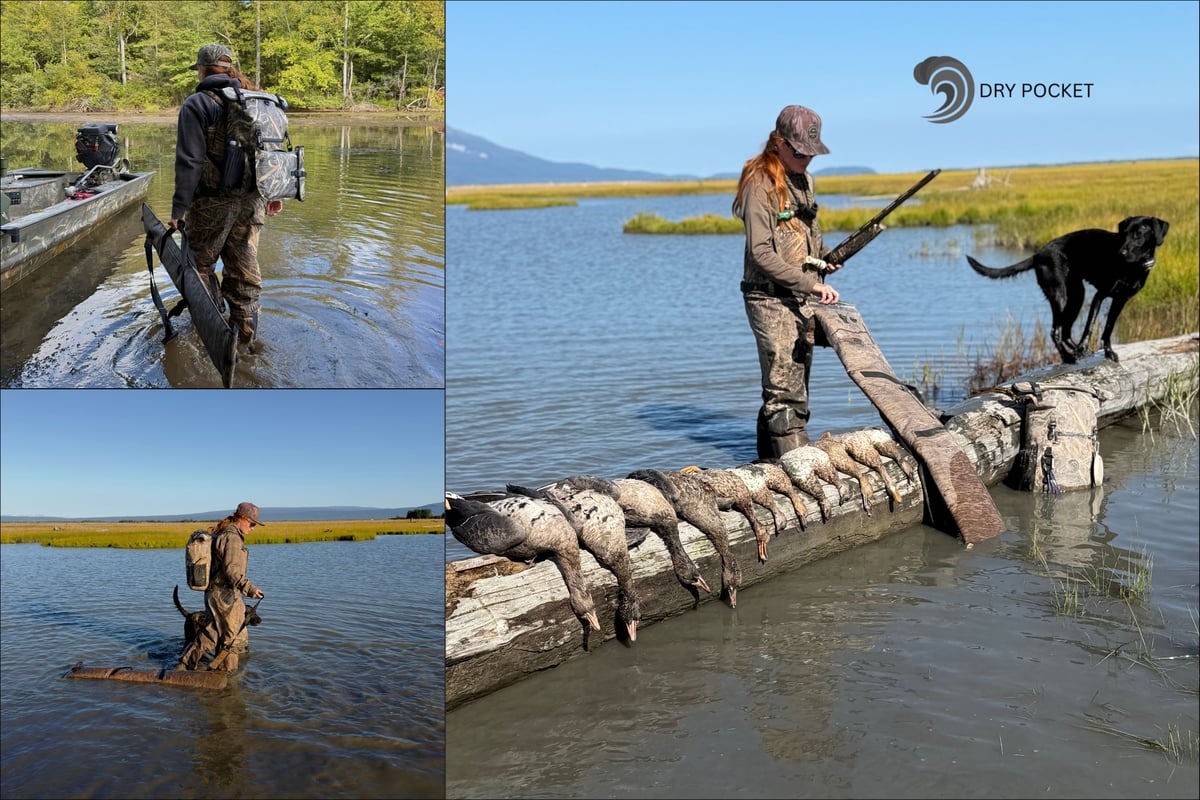
Dry Pocket dry bags, gun bags, and cooler bags are engineered with exceptional buoyancy, keeping your gear afloat while also providing added flotation support when needed. Innovative magnetic closures, buckles, and waterproof pockets keep your essentials protected and easily accessible—making every outdoor adventure safer, simpler, and more convenient. Dry Pocket puts the hunter first.
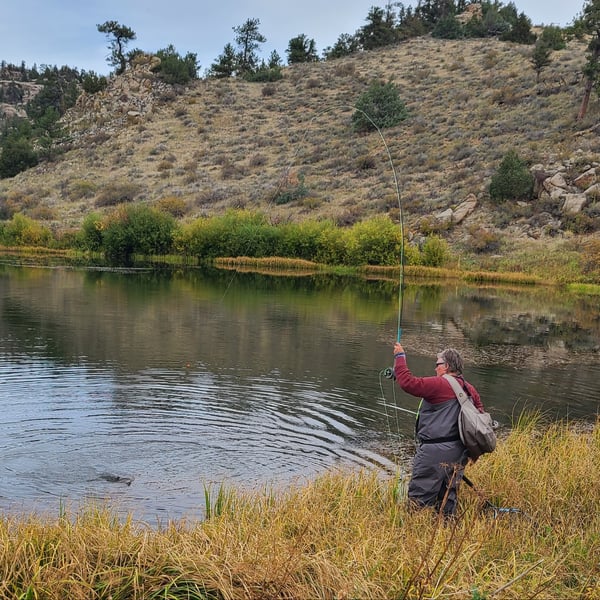
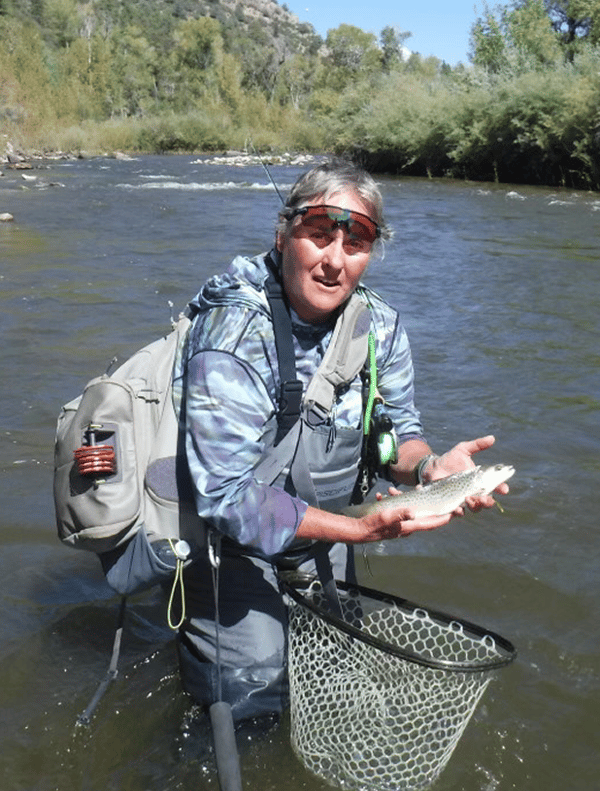
Andi is a Coast Guard veteran who now teaches women veterans to fish, passing forward what time on the water gave her.
Q: What did you do in the Coast Guard?
A: "I served in the North Atlantic from 1982 to 1986, two years on a cutter and two at a small boat station. Search and rescue, boat repairs, law enforcement, EMT. I call it the AAA of the seas."
Q: What’s the tiny outdoor joy you’ll never get tired of noticing?
A: "Just being quiet and listening to the birds or the wind in the trees. Sometimes that's more rewarding than catching fish."
Q: Why do you teach women veterans to fish?
A: "I am teaching women veterans to fish, mostly rod and reel. I got into fly fishing through a veterans organization, and it helped me with my PTSD and overall mental health. I feel so much better after being outdoors, so I wanted to pass that forward.
I lean toward women veterans because there didn't seem to be enough women-only events. Providing a safe place for women to learn new things is important. At mixed events, I have found some people do inappropriate stuff, which doesn't provide a safe environment. Women veterans also die by suicide at a much higher rate than women who never served*... Catching fish is nice, but experiencing the outdoors and just being in the moment can provide good mental health benefits as well."
*If you’re a veteran in crisis or worried about one, call 988 and press 1, or text 838255. It’s free, confidential and available 24/7.
Want to hear more from Andi? In honor of Veterans Day, we joined her and several other veterans on an upcoming Ascend episode. Subscribe to be notified when it drops.